The Year-Round Garden Maintenance Checklist That Keeps Your Yard Thriving
Mark your calendar for the four critical garden maintenance windows that will determine whether your plants thrive or merely survive. A well-timed seasonal checklist prevents the frantic catch-up work that exhausts gardeners every year and keeps small problems from becoming expensive disasters.
The difference between a garden that looks professionally maintained and one that struggles comes down to doing the right tasks at the right time. Spring isn’t just about planting. It’s when you prepare soil, prune dormant plants, and set up irrigation before the growing season demands your attention elsewhere. Summer maintenance focuses on water management and pest control when plants are most vulnerable. Fall is your chance to prepare beds, divide perennials, and protect sensitive plants before winter arrives. Even winter has essential tasks that set the stage for the following spring.
Whether you’re managing a small balcony garden or several raised beds, this seasonal approach works because it breaks overwhelming annual maintenance into manageable chunks. You’ll know exactly what needs attention each month instead of guessing or reacting to problems after they’ve already damaged your plants.
The beauty of a seasonal checklist is its flexibility. You can tackle tasks during weekends that work for your schedule, and you’ll develop a rhythm that makes garden maintenance feel natural rather than burdensome. Just like this company schedules regular maintenance to prevent problems, your garden benefits from consistent, planned attention throughout the year.
Spring Garden Maintenance: Wake Up Your Garden
Cleanup and Assessment
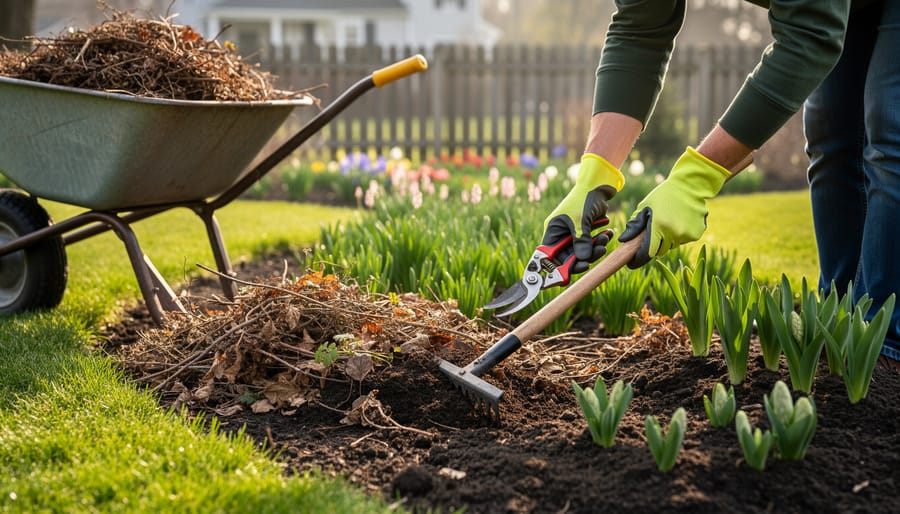
After months of winter weather, your garden needs a thorough spring wake-up call. Start by walking through your entire garden space with a critical eye. Look for broken branches, damaged fencing, and any areas where snow or ice caused problems. This initial survey helps you prioritize what needs immediate attention versus what can wait a few weeks.
Begin cleanup by removing dead leaves, fallen branches, and any protective coverings you added last fall. Rake away matted leaves from perennial beds, they look cozy, but they trap moisture and encourage fungal diseases. Pull back winter mulch from around emerging bulbs and perennials so they can breathe and warm up properly.
Next, tackle pruning. Remove any branches that are clearly dead, diseased, or damaged. Not sure if a branch is dead? Scratch the bark gently with your fingernail. Green underneath means it’s alive; brown means it’s time to cut. Prune dead wood back to healthy tissue, making clean cuts just above a bud or branch junction.
Check your perennials closely. Some may have winter heaving, where freeze-thaw cycles push plants partially out of the soil. Gently press these back into the ground and add a thin layer of compost. Make notes about what didn’t survive, this information guides your replanting decisions and helps you choose hardier varieties next time.
Soil Preparation and Early Planting
Before you plant anything, take time to understand what’s hiding beneath the surface. Grab a soil test kit from your local extension office or garden center, or send a sample to a lab. You’re looking for pH levels, nutrient content, and organic matter. The results tell you exactly what your soil needs rather than guessing with amendments. Many extension services provide a comprehensive soil test interpretation guide to help you make sense of the numbers.
Once you know what you’re working with, add what’s needed. Most gardens benefit from a few inches of compost worked into the top six to eight inches of soil. If your pH is off, add lime to raise it or sulfur to lower it, but do this gradually over time. For container gardens, refresh your potting mix or add new mix to the top few inches. Good pot plant container tips include ensuring proper drainage and using quality potting soil rather than garden dirt.
Start seeds indoors six to eight weeks before your last expected frost date. Tomatoes, peppers, and eggplants need this head start. Direct sow cool-season crops like lettuce, peas, and spinach outdoors as soon as the soil is workable. The old rule holds true: if you can form a ball of soil in your hand but it crumbles when poked, it’s ready to work.
Lawn and Perennial Care
Once spring warms the soil, rake your lawn to remove dead grass and debris, then aerate compacted areas to let roots breathe. Apply a slow-release fertilizer suited to your grass type, cool-season grasses benefit most from spring feeding, as detailed in this cool-season lawn maintenance calendar. If you’re deciding between equipment, check out the push vs riding mower guide to match your yard size.
Early spring is prime time to divide overgrown perennials like hostas, daylilies, and ornamental grasses. Dig up the clump, split it into sections with healthy roots, and replant at the same depth. This rejuvenates plants and gives you extras to fill bare spots or share with neighbors.
Spread a fresh two- to three-inch layer of mulch around perennials and shrubs to suppress weeds and retain moisture. Keep mulch an inch away from stems to prevent rot. For those gardening in small spacescontainer perennials still benefit from fresh potting mix and root division, just work on a tarp to keep cleanup simple.
Summer Garden Maintenance: Keep the Momentum Going
Watering Strategies and Mulching
Summer heat puts serious pressure on garden plants, but smart watering habits and good mulch coverage make all the difference. The key is watering deeply but less frequently, which encourages roots to grow down rather than staying shallow. Most gardens need about an inch of water per week, including rainfall. Stick your finger two inches into the soil, if it feels dry, it’s time to water.
Timing matters more than you might think. Water early morning and mulch properly to reduce evaporation and prevent fungal diseases that thrive on wet foliage overnight. If mornings don’t work with your schedule, late afternoon is acceptable as long as leaves can dry before nightfall.
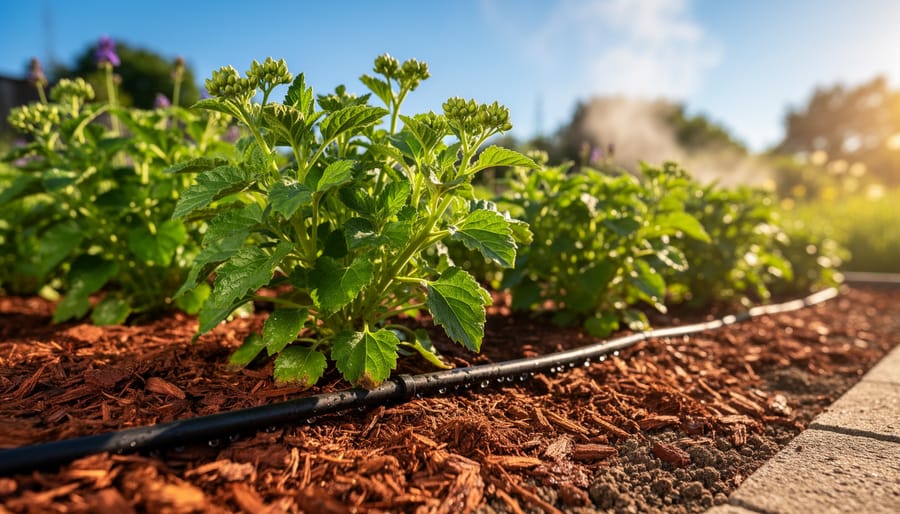
Mulch is your secret weapon against summer stress. A two to three inch layer around plants (but not touching stems) keeps soil cool, locks in moisture, and blocks weeds. Refresh your mulch mid-summer if it’s broken down or gotten thin. In DIY raised garden beds, check moisture more frequently since they drain faster than ground-level beds.
For container gardens, expect to water daily during hot spells. Group pots together to create a humid microclimate that reduces water loss. During droughts, prioritize newly planted items and edibles over established shrubs, which typically handle stress better. Soaker hoses and drip irrigation save time and water compared to overhead sprinklers.
Weeding and Pest Management
Weeds grow fastest during summer heat, so tackle them when they’re small, before they set seed and multiply your work exponentially. I learned this the hard way one July when I ignored a patch of lamb’s quarters for two weeks, thinking I’d “get to it later.” That small patch turned into a carpet that took hours to clear. Now I spend ten minutes every other morning hand-pulling weeds while they’re still tender. Mulch helps tremendously here, a three-inch layer blocks sunlight and makes the few weeds that do emerge much easier to extract.
Summer pests peak alongside your plants, but you don’t need harsh chemicals to manage them. Check plants during your morning rounds, looking under leaves where aphids, whiteflies, and spider mites hide. Handpick larger pests like hornworms and Japanese beetles into soapy water. For persistent aphid problems, blast them off with a strong spray from the hose, they rarely climb back up. Encourage beneficial insects by planting flowers like marigolds, zinnias, and yarrow near your vegetables.
Watch for disease signs too: yellowing leaves, white powdery coating, or brown spots often indicate fungal issues that spread quickly in humid summer weather. Water at soil level rather than overhead to keep foliage dry, and prune out any infected material immediately. Space plants properly for air circulation, crowding invites problems. Companion planting naturally deters some pests: basil near tomatoes repels hornworms, while nasturtiums attract aphids away from other crops.
Deadheading, Pruning, and Harvesting
Summer heat can make gardens explode with growth, but they’ll keep performing better if you do three simple things regularly: snip spent blooms, trim back leggy growth, and pick what’s ready.
Deadheading flowers takes minutes but extends bloom time for weeks. With scissors or your fingers, remove faded flowers just above the next set of leaves or buds. This stops plants from putting energy into seed production and redirects it into more flowers. Petunias, marigolds, zinnias, and roses all respond beautifully to weekly deadheading.
Summer pruning differs from spring pruning. Focus on light maintenance: remove crossing branches, trim back overgrown herbs by a third to prevent flowering and woodiness, and pinch back leggy annuals to encourage bushier growth. Don’t do heavy pruning in summer heat, as it stresses plants.
Harvest vegetables and herbs in the morning after dew dries but before heat intensifies. This is when flavor and moisture content peak. Pick beans, cucumbers, and zucchini every couple days because frequent harvesting signals plants to keep producing. Snip herbs before they flower for best flavor, cutting no more than a third at once.
As crops finish, pull them out and plant something new in that space. You can start more lettuce, radishes, or bush beans in July for a late summer harvest.
Fall Garden Maintenance: Prepare for the Cool Down
Final Harvests and Fall Planting
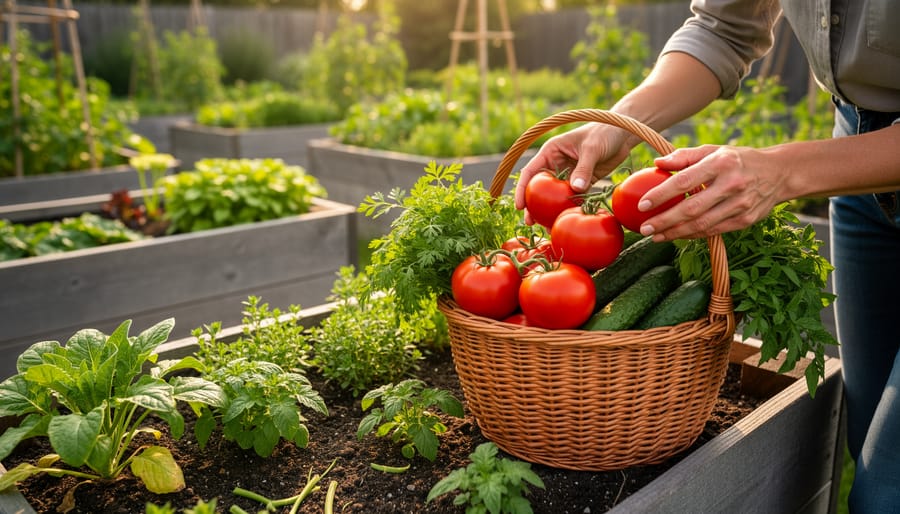
As temperatures cool in September and October, your garden enters a productive transition phase. Hardy crops like tomatoes, peppers, and squash often produce their final flush of fruit before frost, so check plants every few days and harvest anything that’s reached eating size. Even green tomatoes can ripen indoors on a sunny windowsill or be turned into relish.
This is also prime time for planting cool-season vegetables. Lettuce, spinach, kale, radishes, and peas thrive in fall’s moderate temperatures and actually taste sweeter after a light frost. In most regions, you can plant these crops six to eight weeks before your first expected frost date. For container gardeners, a few pots of leafy greens on a patio can extend your harvest well into November.
Fall is nature’s reminder to think ahead. Plant spring-flowering bulbs like tulips, daffodils, and crocuses now, while the soil is still workable. They need that cold period underground to bloom beautifully next spring. A simple rule: plant bulbs at a depth roughly three times their height.
When frost threatens, protect tender plants with old bedsheets, row covers, or even cardboard boxes overnight. Sometimes one early frost is followed by several more weeks of mild weather, so a little protection can extend your harvest significantly. I’ve saved entire pepper plants this way, gaining three extra weeks of fresh produce.
Cleanup and Soil Building
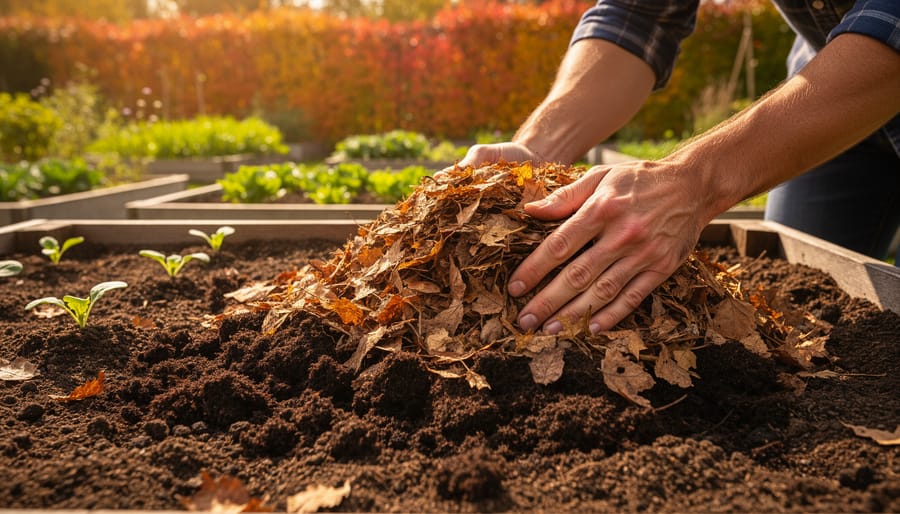
Fallen leaves are your garden’s gift to next year’s soil. Instead of bagging them for pickup, run your mower over them to shred them into small pieces. You can either rake these shredded leaves onto empty beds as a 2-3 inch mulch layer that’ll break down over winter, or pile them in your compost bin where they’ll decompose faster. Both methods feed the soil and reduce waste.
Cut back perennials once they’ve died back completely, but leave ornamental grasses and seed heads that provide winter interest and food for birds. I always trim to about 4-6 inches above ground level to mark where plants are sleeping in the garden so I don’t accidentally dig into them come spring. Toss healthy trimmings in your compost, but dispose of any diseased foliage separately.
Now’s your best chance to build soil quality for 2026. Spread a 1-2 inch layer of finished compost over all your beds, then lightly work it into the top few inches. Add any needed amendments based on your soil test results from earlier in the season. If you have empty vegetable beds, consider planting a cover crop like winter rye or crimson clover. These crops prevent erosion, suppress weeds, and add valuable organic matter when you till them under next spring.
Tool and Equipment Care
Before your tools hibernate for winter, give them the care they deserve, it’ll save you money and frustration come spring.
Start with your hand tools. Scrub off caked-on soil with a wire brush, then wipe blades with an oily rag to prevent rust. Sharpen pruners, shears, and hoes now rather than discovering dull edges next March. If you’ve only got a balcony garden with a few trowels, this takes fifteen minutes. Larger tool collections might need an hour, but it’s time well spent.
Drain your hoses completely and coil them indoors. If you have an irrigation system, blow out the lines or hire someone to winterize it, frozen pipes mean expensive spring repairs.
Your mower needs attention too. Run it until the tank’s empty or add fuel stabilizer. Change the oil, clean the undercarriage, and sharpen the blade. Even small push mowers benefit from this care.
Store everything in a dry spot. Hanging tools keeps them organized and prevents handle rot. Come spring, you’ll thank yourself when everything works perfectly on the first try.
Winter Garden Maintenance: Rest and Planning
Outdoor Winter Tasks
Even during the coldest months, a quick walk through your garden every few weeks can prevent surprises come spring. Start by checking trees and shrubs after heavy snow or ice storms. Gently brush off accumulating snow from branches before the weight causes them to snap, but leave ice alone, trying to remove it often does more harm than good.
Vulnerable plants benefit from extra protection during cold snaps. Add mulch around the base of roses, tender perennials, and newly planted shrubs if you haven’t already. For container plants you couldn’t bring inside, group them together in a sheltered spot and wrap pots with burlap to insulate roots from freezing and thawing cycles.
Check on stored bulbs and tubers monthly. They should feel firm and show no signs of rot or shriveling. If they’re too dry, lightly mist them. If you spot soft spots, remove affected bulbs immediately to prevent spread.
Late winter is perfect for pruning certain trees and shrubs while they’re dormant. Fruit trees, summer-blooming shrubs, and grape vines all benefit from pruning now. You can see their structure clearly without leaves, and cuts heal better before spring growth starts.
Planning and Seed Starting
Winter’s quiet months are perfect for dreaming about next season’s garden. Pull out last year’s notes, or start fresh if you didn’t keep any, and jot down what worked brilliantly and what flopped. Did those heirloom tomatoes thrive while the cucumbers struggled? Write it down. This honest assessment prevents repeating mistakes and helps you build on successes.
January and February are ideal for browsing seed catalogs and placing orders before popular varieties sell out. A simple garden journal, whether a notebook or phone app, keeps everything organized. Track what you planted, where it went, bloom times, and harvest dates. This becomes your personalized reference guide.
By late February, start seeds indoors for crops that need a head start. Tomatoes, peppers, and herbs grow well on sunny windowsills or under basic grow lights. Use clean containers with drainage holes and quality seed-starting mix. Label everything, trust me, those seedlings all look identical at first. This indoor work connects you to your garden during the coldest weeks and gives you healthy transplants ready when spring arrives.
Indoor Gardening and Maintenance
Winter is the perfect time to bring your garden indoors and keep your green thumb active. Your houseplants need extra attention now, dry indoor air from heating systems means more frequent watering and occasional misting. Move them closer to windows for maximum light, but away from cold drafts.
Try forcing paperwhite narcissus or amaryllis bulbs for mid-winter blooms. Just place them in water or shallow soil, and you’ll have flowers in three to six weeks. Growing microgreens on a sunny windowsill gives you fresh greens in just ten days, radish, arugula, and mustard are foolproof choices.
Keep your indoor herb garden productive by rotating pots for even light exposure, pinching back growth to encourage bushiness, and fertilizing monthly with diluted liquid fertilizer. Basil, parsley, and chives thrive indoors with a south-facing window. This indoor gardening keeps you connected to growing things when the outdoor garden sleeps.
Creating Your Personalized Maintenance Schedule
The most practical garden maintenance schedule is the one you’ll actually follow, which means adapting seasonal checklists to your real life instead of trying to match an idealized version.
Start by understanding your USDA hardiness zone, because timing matters more than any specific task list. If you’re in zone 9, your “spring” cleanup might happen in February, while zone 4 gardeners are still buried in snow. Most seed catalogs and extension offices offer zone-specific calendars that adjust standard seasonal advice by several weeks. I learned this the hard way when I followed a generic March planting guide in my zone 6 garden and watched seedlings freeze.
Garden size drastically changes your approach too. A small balcony container garden needs maybe thirty minutes per week during peak season, while a quarter-acre plot could demand several hours. Be honest about your space and available time. There’s no shame in scaling back your checklist or spreading tasks across multiple weekends instead of cramming everything into one exhausting Saturday.
Choose a tracking method that fits how you actually organize your life. For 2026, digital options include garden-specific apps like Gardenize or simple reminders in your phone’s calendar. Some apps even send weather-based alerts for tasks like watering or frost protection. Paper lovers might prefer a dedicated garden journal or a wall calendar in the shed where you can jot notes while your hands are still dirty.
Create monthly checklists rather than trying to remember everything at once. At the start of each month, pull three to five priority tasks from the seasonal guide based on current weather and what you’re seeing in your garden. This week it might be mulching tomatoes and checking for aphids. Next week could be different.
Don’t let perfectionism stop you from starting. Miss a task? The garden won’t collapse. Focus on the high-impact activities for your situation, watering and weeding matter more than pristine edges, and let the rest flex around your schedule. Gardens are forgiving, and small consistent efforts beat sporadic marathons every time.
Following a seasonal maintenance routine transforms garden care from an overwhelming chore into a series of manageable tasks you can actually enjoy. Instead of facing a massive cleanup project every few months, you’re staying connected to your space year-round, catching small problems before they become big ones, and giving your plants exactly what they need when they needIt
The beauty of this approach is that you don’t have to be perfect. Miss a task? There’s always next season. Got a tiny balcony instead of a sprawling yard? These principles scale down beautifully. Even spending 20 minutes every weekend beats ignoring your garden for months and then burning yourself out in a single exhausting day.
I’ve learned that the most rewarding part isn’t just the blooms or the harvest. It’s those quiet moments when you’re deadheading roses on a summer evening or tucking bulbs into the ground on a crisp fall afternoon. That connection to the seasons, to growth, to something bigger than your daily routine? That’s where the real magic happens.
Start with one season’s checklist. See what works for your space and schedule. Your garden will thank you, and you might just find yourself looking forward to your next maintenance day.
